It is now six months into the initial planting of this new garden, and there is now a new page , to enable you to read how MARTIN AND JUDY’S NEW GARDEN is coming along. I hope you enjoy the previous three chapters, if you haven’t already read them.
This garden, is having a real impact on how I will garden and plant in the future. I have always enjoyed reading about wild flowers and garden wildlife. However in a very short space of time, I have become fascinated about nectar rich plants, and to be perfectly honest, native plants, are fantastic at providing this resource, and I will be planting them at a far greater rate in customers gardens, than previously.
This garden, has also made me realise , how limited my knowledge is in this area. I will definitely be taking my plant and wildlife identification books with me on all occasions in future.
Cultivated bulbs, perennials and trees , grow happily amongst the plants growing from the seed bank of the imported top soil.
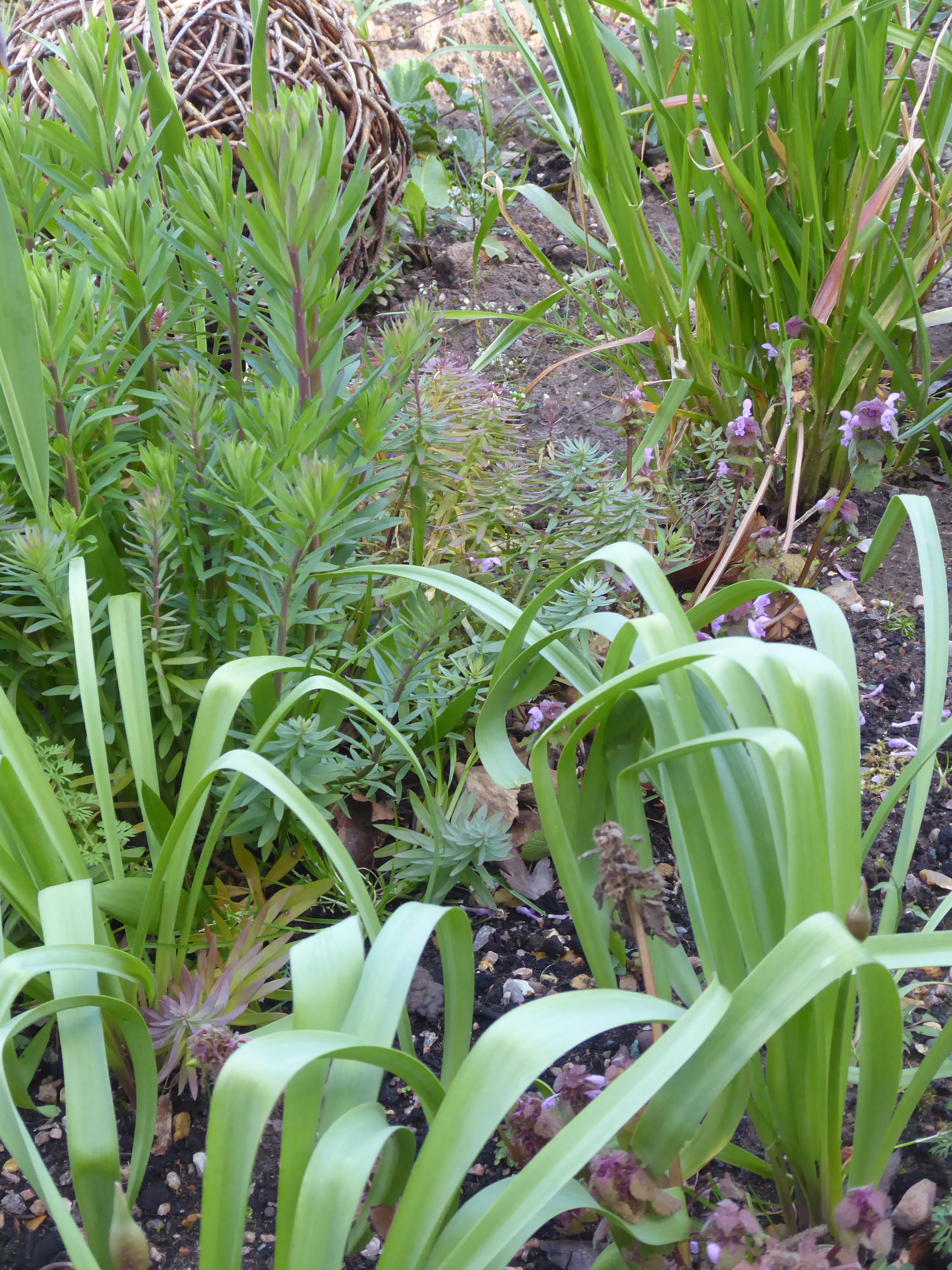
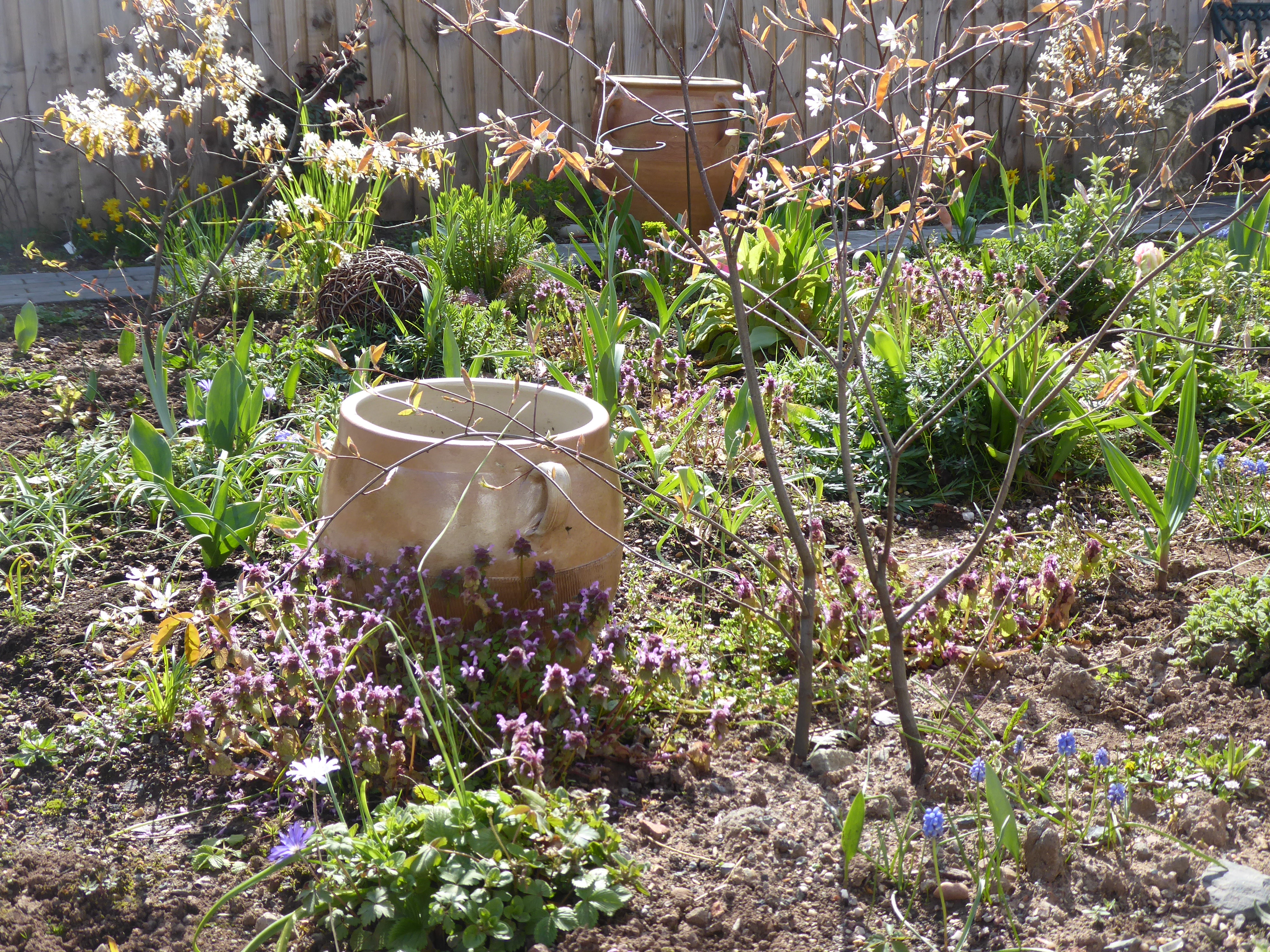
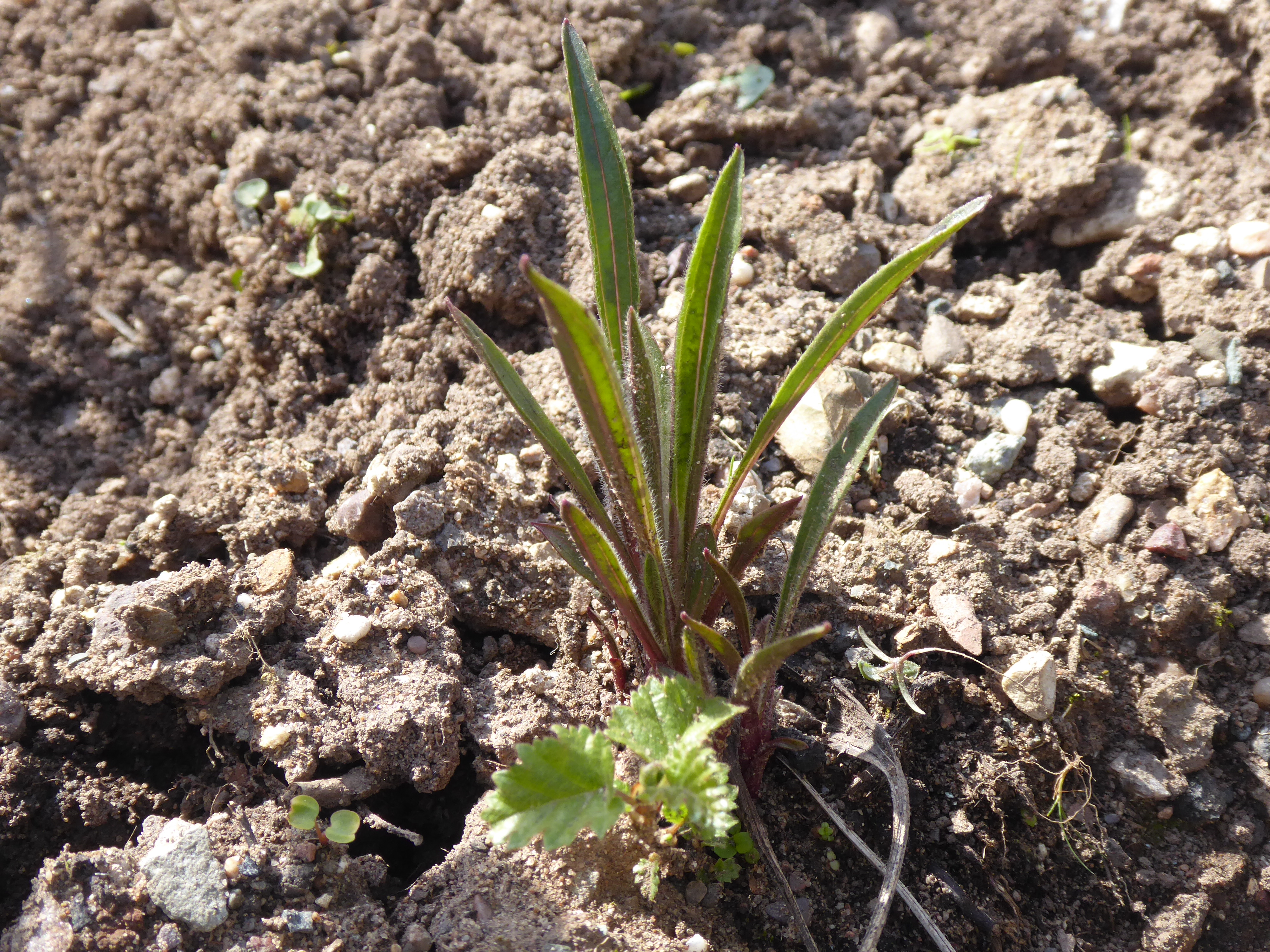
The above image shows Echinacea pallida, which were grown from seed last year. Once past seedling stage, they grew on in an open coldframe at home, and planted out in September last year. I have birch trees in my garden, and im sure , this seedling must be from my trees at home. It is just so great to see this tree seedling being part of Judy’s garden.
Echinacea pallida is a stunning later summer flower, with delicate narrow pale pink petals that hang down. Bees, butterflies and moths find it irresistible due to its nectar and pollen rich qualities, and the seed heads are a real bonus for birds in winter.
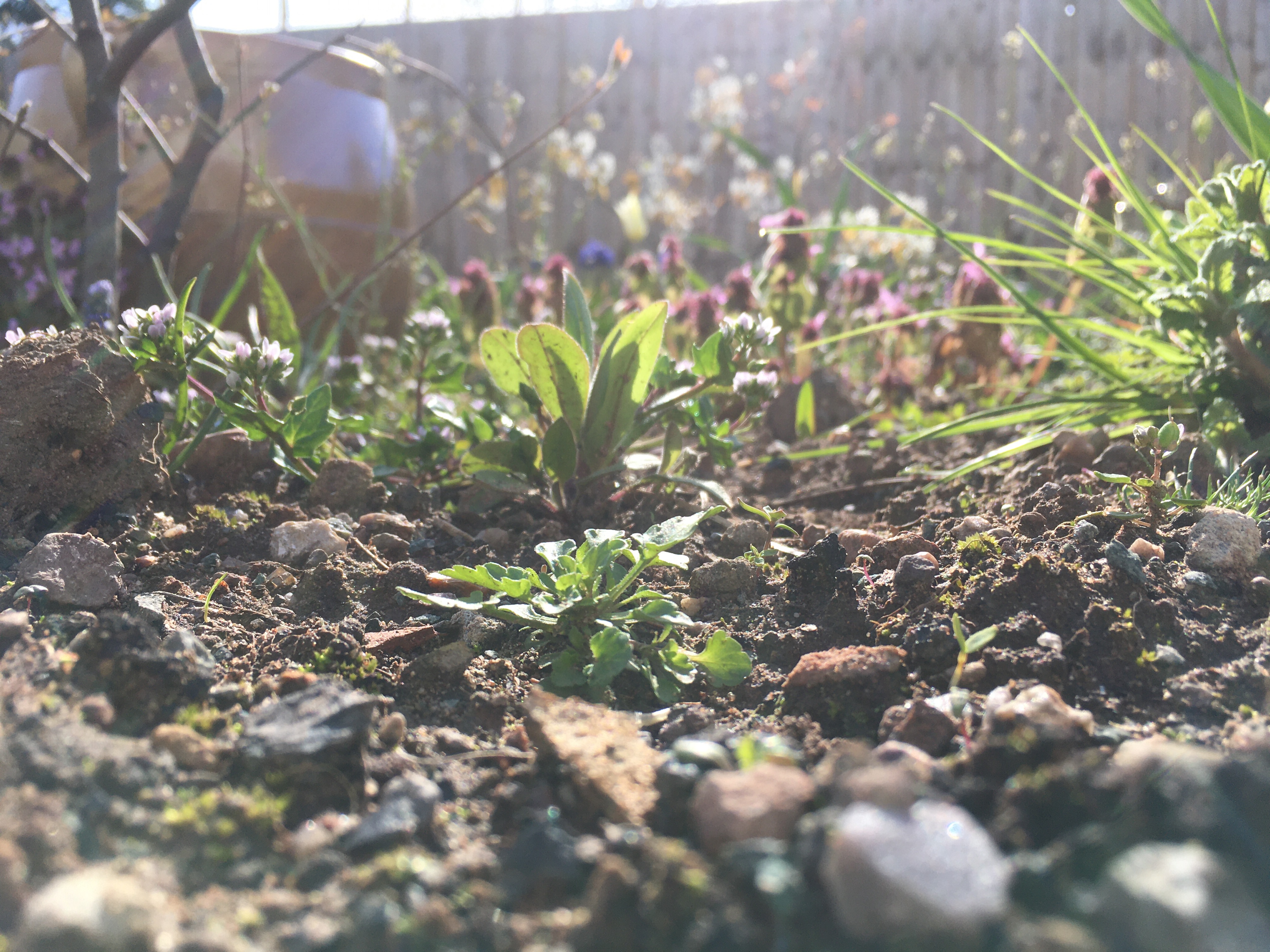
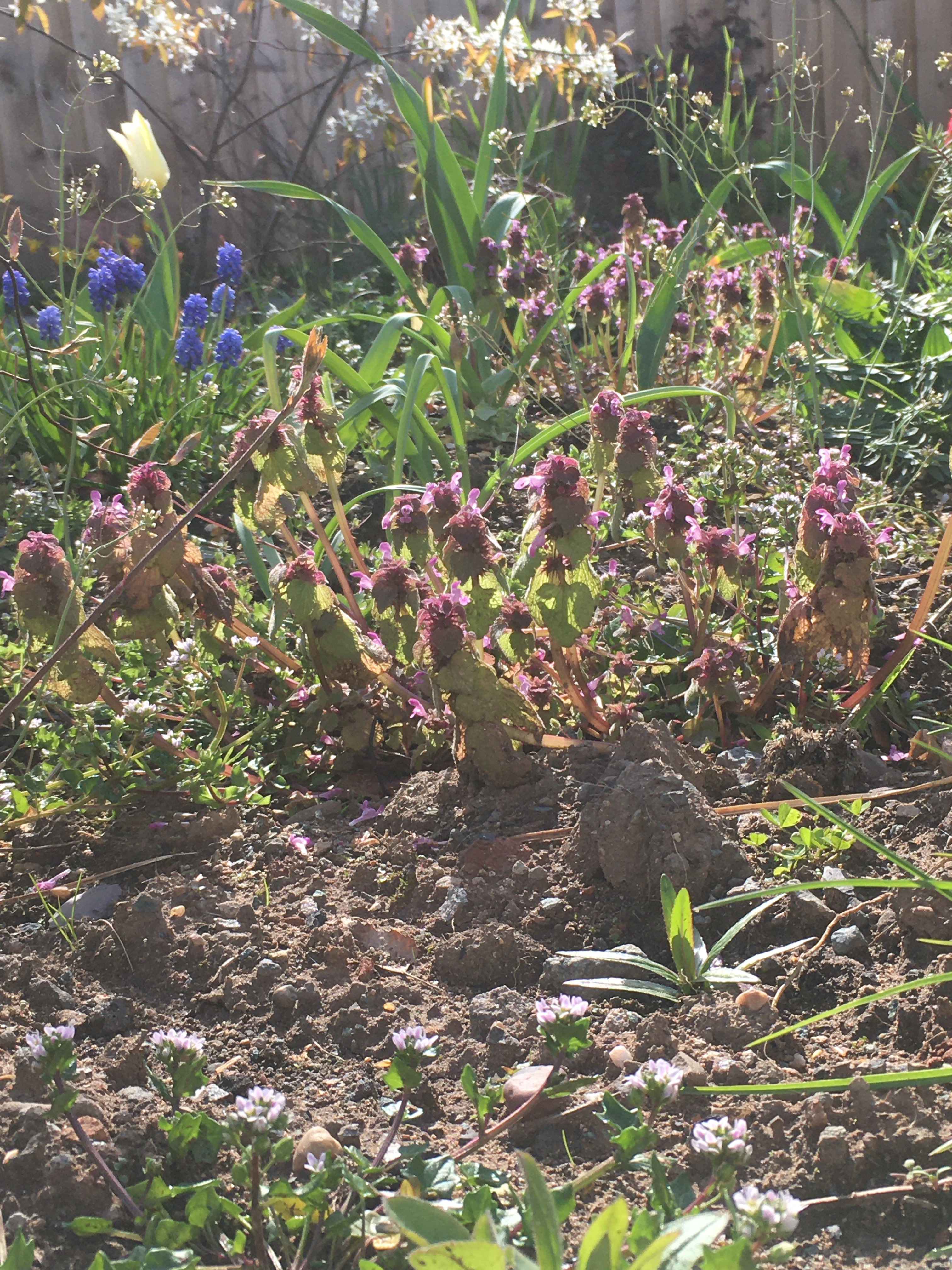
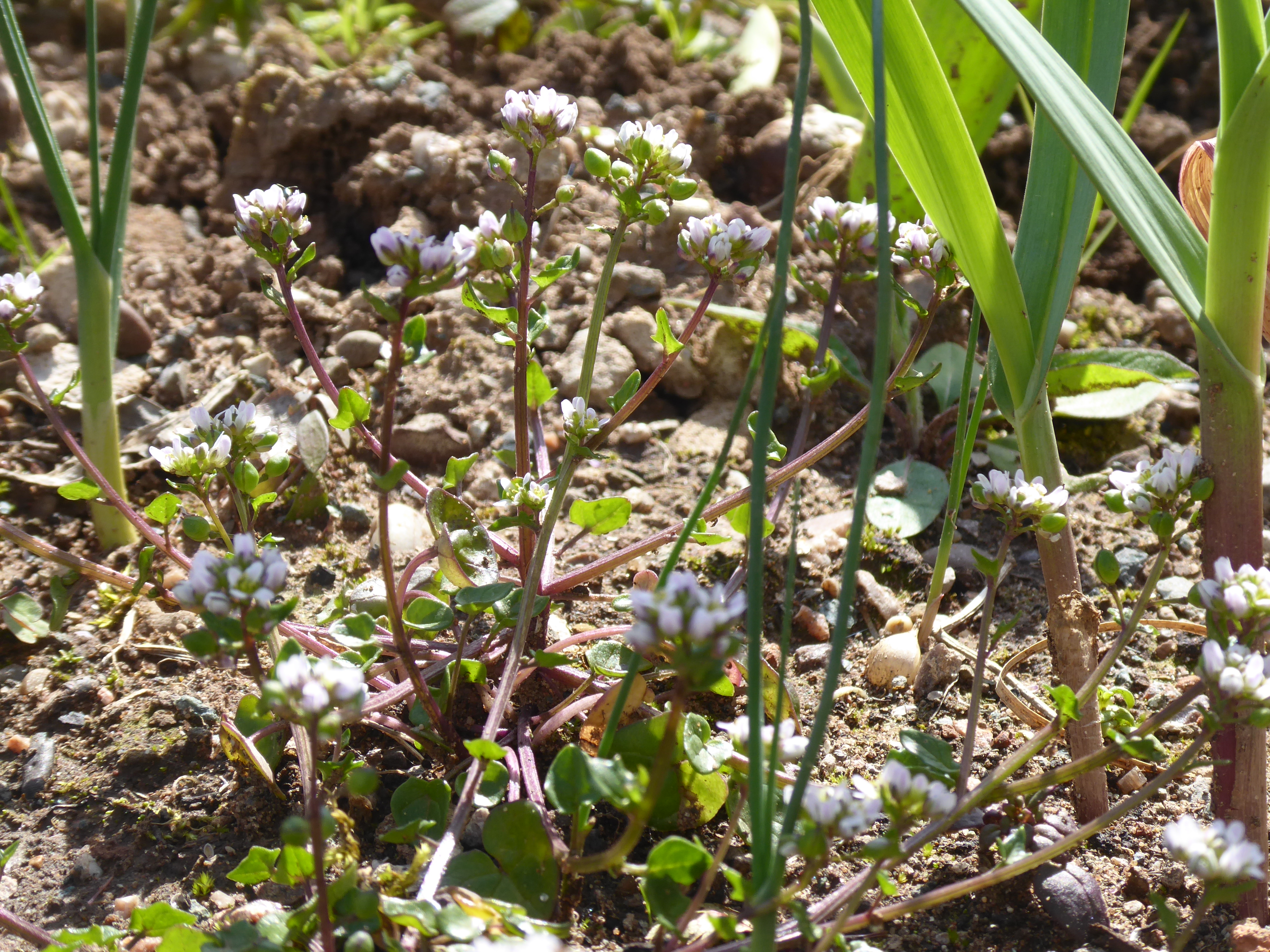
I decided not to rake this garden flat, so the level of the growing medium gently undulates. I am sure this will also go some way to mimic a more natural landscape . If you think about it, the ground is pretty uneven , when you are out and about walking in the rural landscape, and I am sure this will provide a greater wealth of growing opportunities for plants in Martin and Judy’s garden.
One wildflower, which I recognized ( but couldn’t name ) was growing very well in the garden. I now know that it is common scurvy grass – Cochlearia officinal. And the reason I recognised it, is that it is that very common on gritted road verges . A great plant, which is pollinated by bees, flies and beetles, and provides a really good source of nectar.
No images of the following …. but there are so many species of spiders in this garden- I will try and take some images on my next visit.

Maybe we should all take a little more time, to take a proper look around our gardens. Maybe you should sit with a beer ( or a cup of tea ) and a good wild flower and garden wildlife book to check out what is growing and living in your garden. I very much hope that you too become as fascinated about top soil , native plants and garden wildlife as I have.
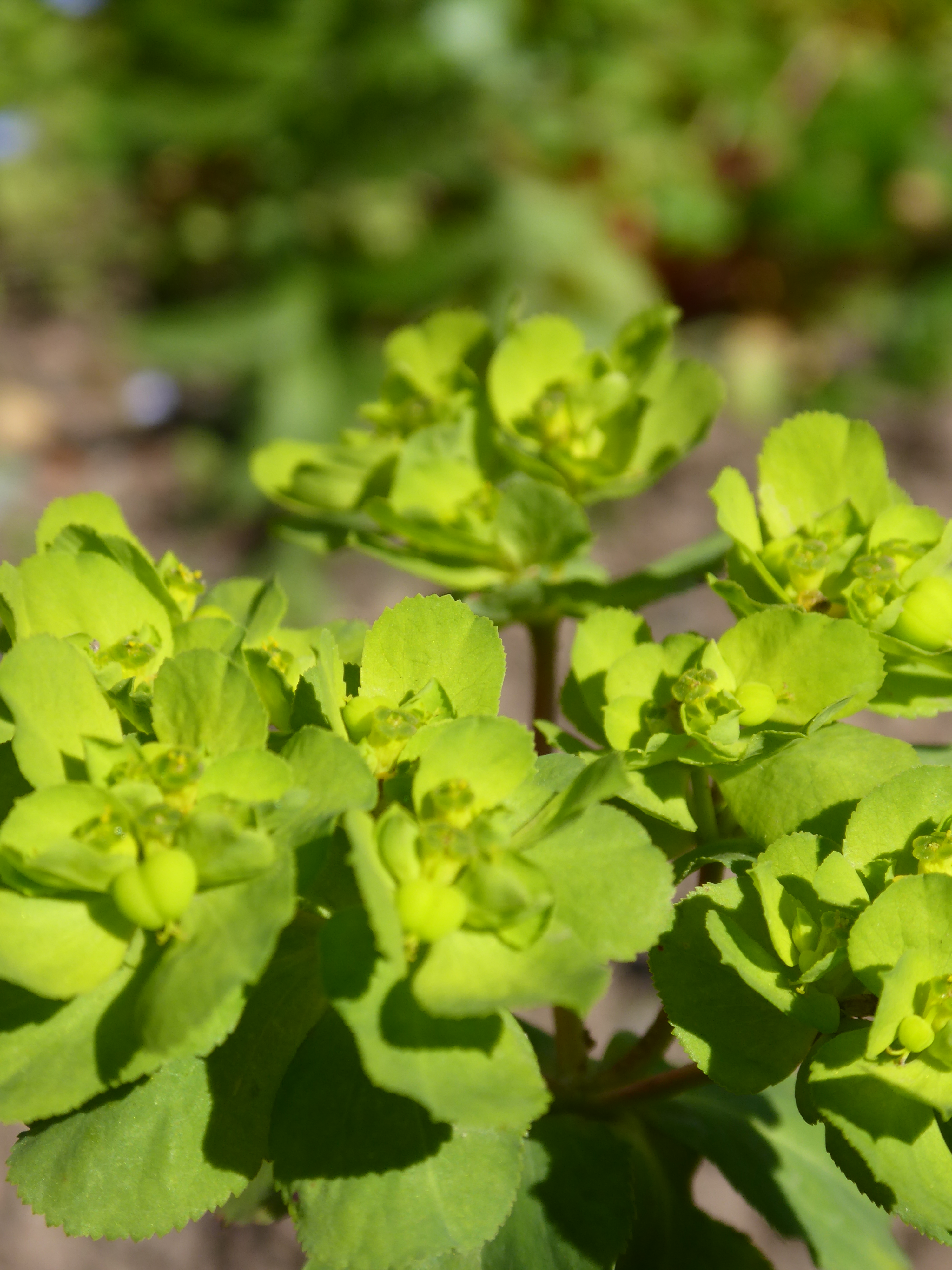
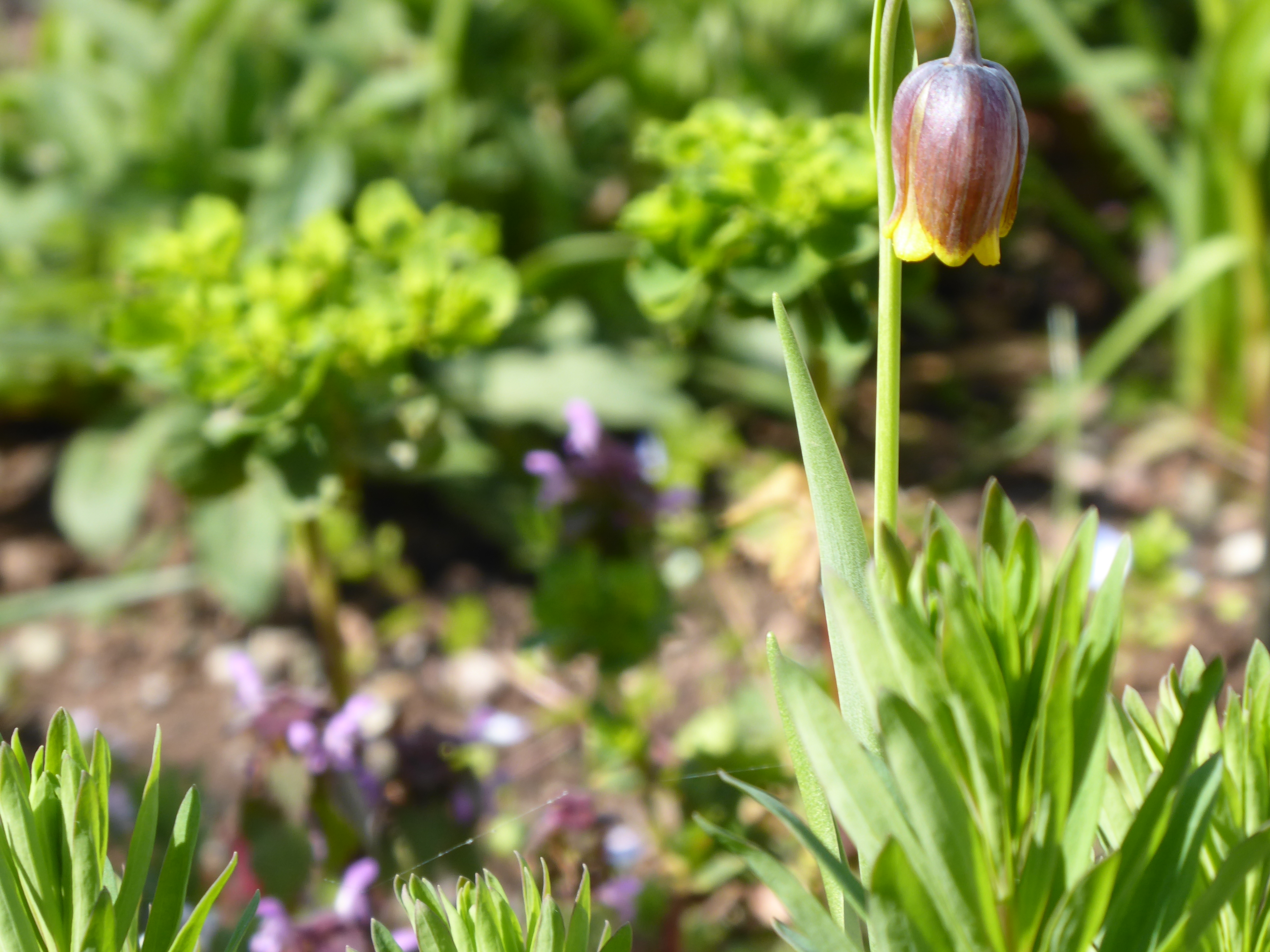
This was my favorite colour combination from Saturday , the yellow of the sun spurge against the maroon of the Fritillaria. I wonder what my favourite wild /cultivated flower will be in a months time ?

 Sally Wicks
Great Sal! Really thought provoking.
LikeLiked by 1 person
I’ve enjoyed reading about the journey and seeing the plan coming together. It is so much more satisfying than decorating the house.
LikeLiked by 1 person
Thanks Linda, it is such a fascinating garden , I cannot believe the difference , between each monthly visit . And , It is definitely is so much more satisfying than decorating a house – my recommendation on that one , is to fill walls with large pieces of art .
My next visit , will be in about a months time . I know it will be full of alliums by then .
LikeLike