I recently spent a day at Scampston learning how Professor Nigel Dunnett’s planting design philosophy has been guided through intricate research studies of the dynamics and characteristics of the natural landscape.
Nigel’s creative response is stunning. Naturalistically inspired planting schemes are being created from annual seed mixes, perennials, shrubs and trees. I took away several new thoughts to work on including:-
- Successional layering. Taller plants rise above the previous season fading flowers, creating a successive flowering effect. For example Verbascum and Achillea will leave long-term structural interest through their sturdy stems and seed heads after flowering.
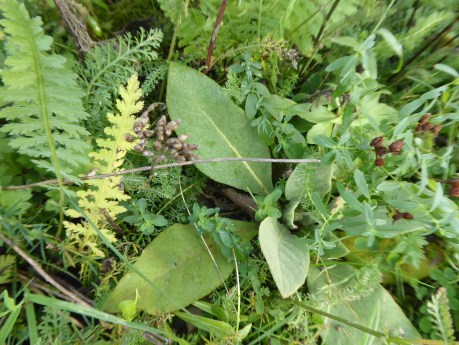
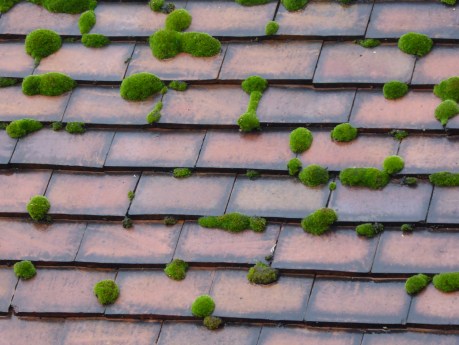
- Creating a planting matrix. The entire planting scheme is set out species by species. Planting a small group (of say three) followed by an individual (of the same cultivar) a short distance away enables the overall desired intermingled effect to be created; rather than the more traditional English style of planting in formal blocks or drifts. I thought the natural formation of moss on my Dad’s shed roof depicted a planting matrix quite well !
- Using two or three harmonious colours, then throwing in a contrast, which visually lifts the colour impact of the overall scheme. Just imagine if there was cornflower blue as a contrast.
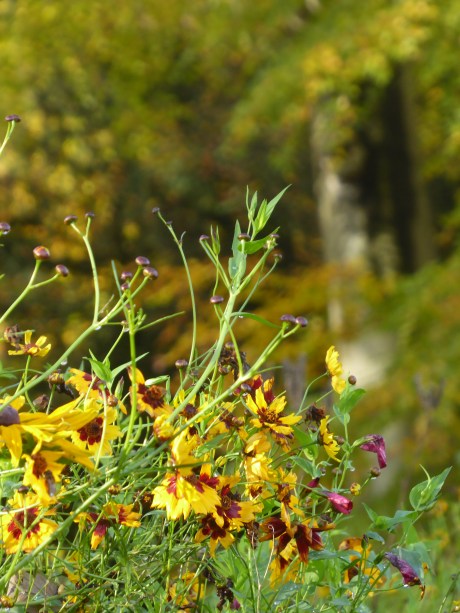
Restraint and simplicity. Through limiting the numbers of plant species, will create cohesive planting, that stops you in your tracks to photograph.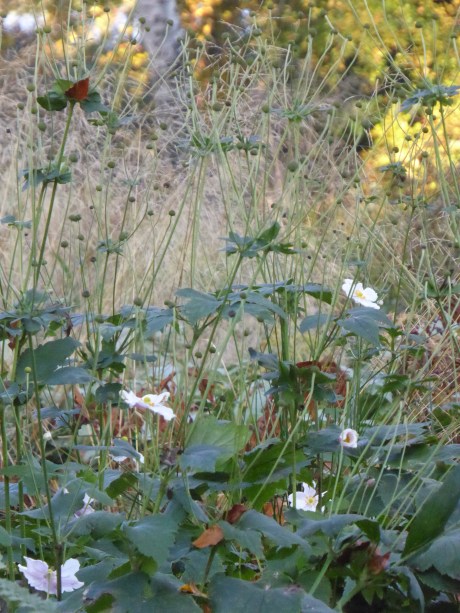 All these images are from the woodland planting and pictorial meadows at Trentham Gardens in Staffordshire. This is design and implementation at the highest level, which filled me with childlike wonderment. It truly was a superlative, dynamic and immersive experience.


How can I transfer this without becoming a pastiche or a token effort, into smaller domestic garden landscapes ? My friend Judy says I can use her garden to experiment in – Thankyou Judy.

 Sally Wicks